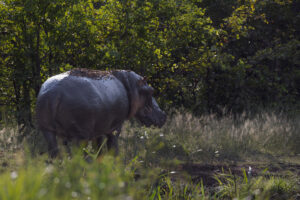
How You Drive on an Overlanding Safari Matters.
There’s something deeply thrilling about being behind the wheel in the African bush on a safari where you’re not just a passenger but the driver. For us overlanders, the freedom of a self drive safari means we control the pace, stop where we like, return when we want. We find some of the richest wildlife moments happen this way. But along with that freedom comes responsibility. When you’re navigating near wildlife, particularly big game such as elephants, buffalo or rhino, how you behave matters. Not just for your safety but also for the animals, and for the integrity of the wilderness you’re travelling through.
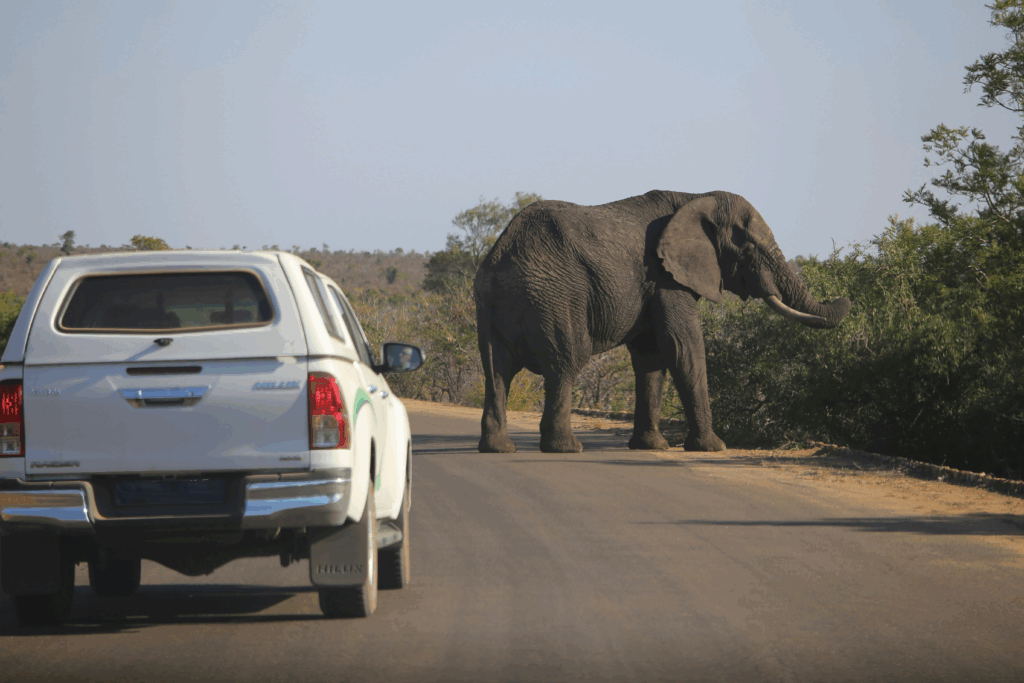
Animal attacks on safari are rare and usually due to the behaviour of the guide or tourist. Whilst we do not want to scaremonger or put you off a self drive, we do think it’s important to be aware of the risks and how to mitigate them.
Here’s how to make the most of your self drive safari while being respectful, safe and fully immersed in the wild.
Why driving yourself is part of the overlanding magic
Adventure travel in Africa is about more than seeing animals, it’s about the journey. Being in your own 4×4, making your own route decisions, skipping along sandy tracks, camping under the stars. You feel fully embedded in the environment, not just watching it through a window. Overlanding means self-sufficiency: you carry your food, water, gear, and you accept that the road might be dusty, tracks might be rough, and wildlife can appear anywhere.
But while the freedom is exhilarating, the rules of the bush are there for a reason, especially when you’re near wildlife that can move fast, change behaviours suddenly, or simply not notice you.
General Behaviour on Safari
On any ethical or professionally led game drive, your trained guide will always explain the rules of safari before setting off. When you are on a self drive safari, however, it is important to familiarise yourself with these rules because you become the guide.
Keep a respectful distance.
This varies from species to species, as outlined below, and should always be treated as a guideline. It is better to stay further back than too close. Assess each situation carefully and err on the side of caution.
Think about escape routes.
Never position yourself where you would not be able to make a quick retreat if an animal turns or moves unexpectedly. Getting trapped between large animals or stuck on a narrow track with no clear exit is never a good idea.
Never try to get an animal’s attention.
Attempts to attract wildlife for a better view or photo are not only unethical but dangerous. Whistling, calling, or making noises to draw an animal’s attention is a firm no.
Do not break the shape of your vehicle.
Whether you are in an open game drive vehicle or your own enclosed 4×4, avoid standing up or leaning out of the windows. In most national parks, animals are used to vehicles passing through and generally do not see them as a threat. But sudden movements or shapes protruding from a vehicle can startle animals and provoke unpredictable behaviour.
Observe speed limits.
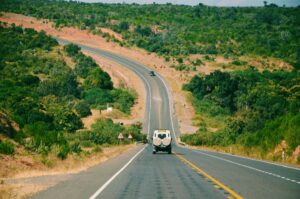
Many parks have posted limits for different roads. In Kruger National Park for example, it is 50 km/h on tar roads and 40 km/h on gravel. Always stick to these, or to a safe, sensible speed if no limits are displayed. This protects you, your vehicle, and the wildlife that may suddenly appear from behind a tree or bush.
Stick to designated routes.
Some wilderness areas allow open exploration, which can make navigation more challenging, so be prepared with a GPS and reliable maps. Most parks, however, have established tracks and roads. It is essential to stay on these to avoid getting lost and to protect the fragile habitats around you.
Never feed animals.
It should go without saying that feeding wildlife, even birds, can cause serious problems. Animals that become used to human food can lose their natural instincts or become aggressive. Baboons and monkeys in particular may break into camps, vehicles, or restaurants in search of food. Never feed them and do not leave food unattended. Even the smallest, fluffiest vervet monkey can become dangerous when food is involved.
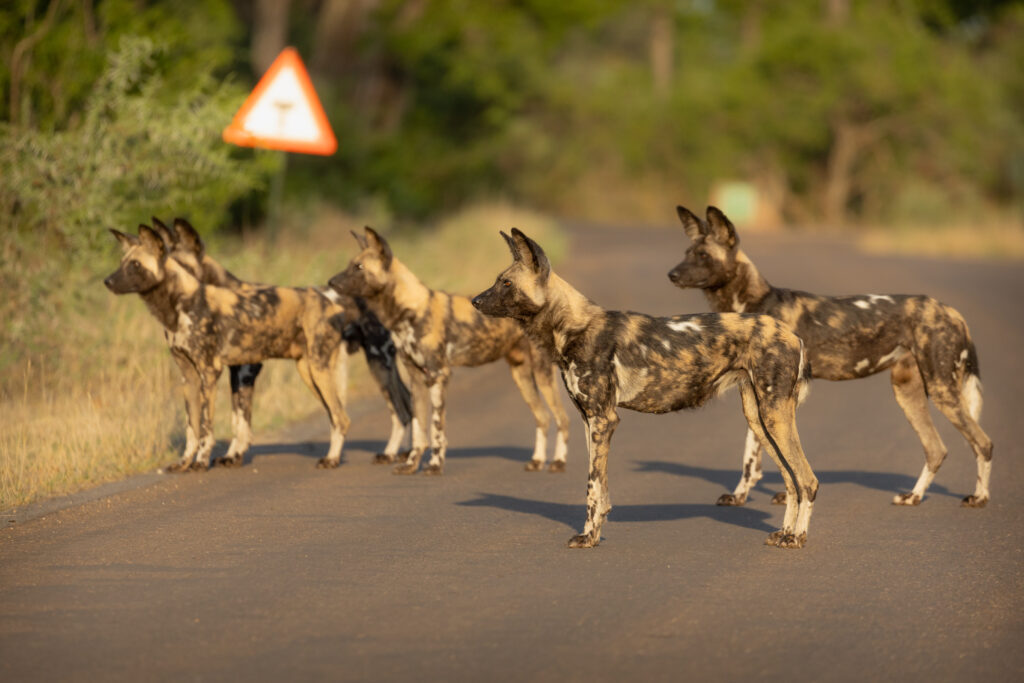
Leave no trace.
At Drive Africa, we believe this applies to all kinds of travel. Always take your litter back to camp or dispose of it properly at the next opportunity. Keep campsites clean, avoid driving off track, and do not damage the ecosystem. The golden rule: leave every place exactly as you found it, or better.
Inform someone of your plans.
If you’re heading into the bush, particularly more remote parks such as the Central Kalahari, it’s wise to inform someone of your plans. You’ll be offline for most of you time in these areas if you don’t have a sat phone or similar emergency device. So it’s sensible to tell the park rangers on entry what your rough plans are and when you intend to leave the park. It’s also sensible to tell maybe friends or family at home, that way if they don’t hear from you by a certain date or time they can make inquiries and maybe alert local authorities. This isn’t something we tend to do for most national parks but it’s a good idea for the more remote sections of your trip.
With a Drive Africa booking we stay available and make an effort to stay in touch throughout your trip to ensure that all is going to plan and if not then we have contacts on the ground who can send help if needed.
Common sense.
The most important of all on a trip of this nature. If something feels too risky, a road looks too treacherous or boggy or an animal is displaying strange behaviour, it’s always best to back away or take a moment to stop and plan a work around.
Key Wildlife Species & How to Approach Them
Elephants
These giants are awe-inspiring, but they are also powerful, unpredictable, and highly aware of their surroundings. According to ethical viewing guidelines:
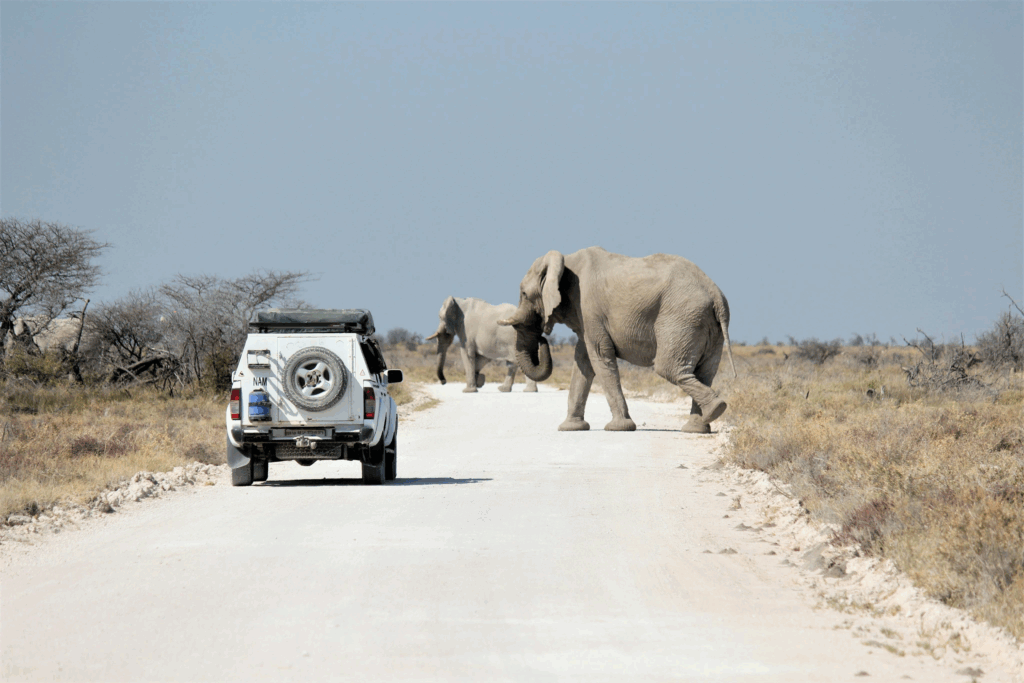
- Keep at least 80–100 m distance initially, and even more for a male in musth.
- Never block their path, park over their tracks, or drive between herd members.
- Sit quietly, engine off if safe, and allow them to decide when to move away.
- Let them approach you, but never drive closer than the safe distance mentioned above.
- If they show signs of unease (ears spread, trunk raised, head shaking, dust throwing), slowly back away without speeding off.
- Only make noise, such as revving the engine or shouting, as a final resort if the animal charges.
When you follow these guidelines, you give yourself the chance to watch an elephant herd wander peacefully while you stay safe and respectful. A calm, intimate encounter with a relaxed herd of elephants is one of the greatest moments any safari can offer.
Cape Buffalo
Buffalo are tough, unpredictable, and not to be underestimated. Unlike some animals that might tolerate vehicles, a buffalo herd can see you as a threat in an instant.

- Maintain space: 40–50 m is a good baseline, more if the herd is moving.
- Avoid sudden noises or movements, stay on track, and keep your engine ready in case you need to move off quickly.
- Never attempt to drive through a moving herd. Wait, observe, and always give them the right of way.
Lone or small groups of males, often called dagga boys in southern Africa, can be especially aggressive. Think of them as grumpy old men who’ve lost the safety of the herd, unpredictable and easily provoked.
Rhinos
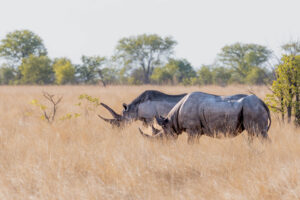
Whether white or black, rhinos have poor eyesight but excellent hearing and a sharp sense of smell. They can react strongly if startled.
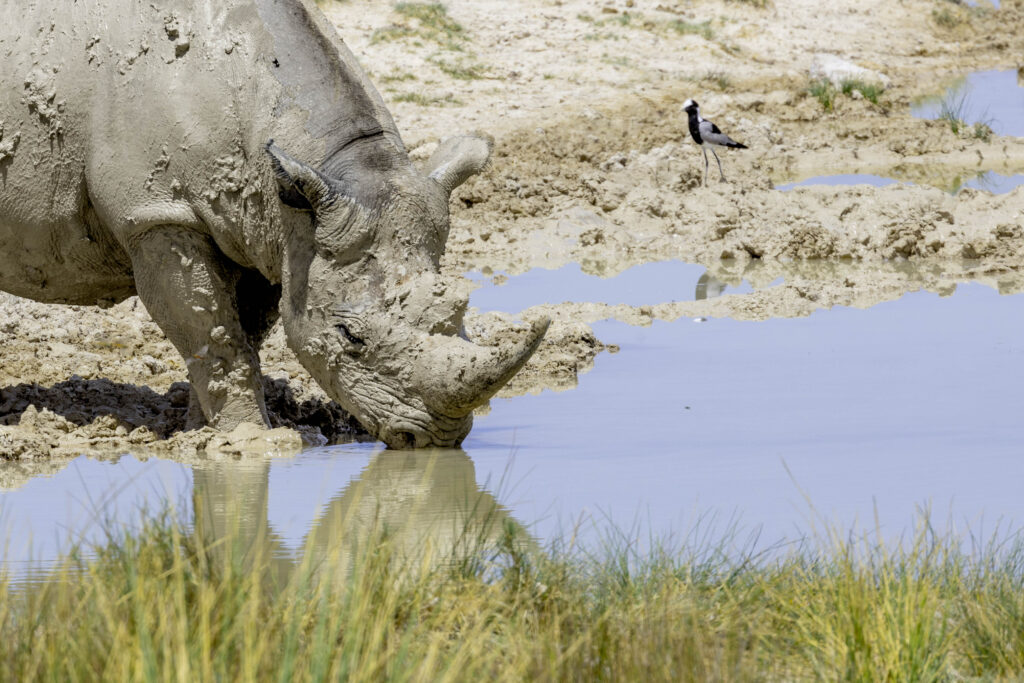
- Keep your distance, especially if a calf is present.
- Turn off the engine if you stop and ensure you have a clear exit route. Move slowly and quietly.
- Always stick to designated roads. Never drive off-road for a sighting. It’s not worth risking your safety, your vehicle, or damaging the habitat.
Black rhinos are generally more aggressive than white rhinos, so take extra care if you’re lucky enough to see one. You can tell them apart by their lips: white rhinos have a wide, flat upper lip for grazing, while black rhinos have a pointed upper lip suited for browsing.
Another important point when photographing rhinos is online safety. Rhino poaching remains one of Africa’s greatest conservation challenges. From our experience working in wildlife camps, we always advise guests to delay posting rhino photos, turn off location tagging, and never reveal the exact location of the sighting. Poachers have been known to use social media to track rhinos, a simple precaution can save lives.
Big Cats
Lions, leopards, cheetahs, and hyaenas generally show little interest in vehicles. This is partly because prey animals are always alert to potential predators and threats, while big cats have learned that vehicles are neither. Still, these animals demand respect.
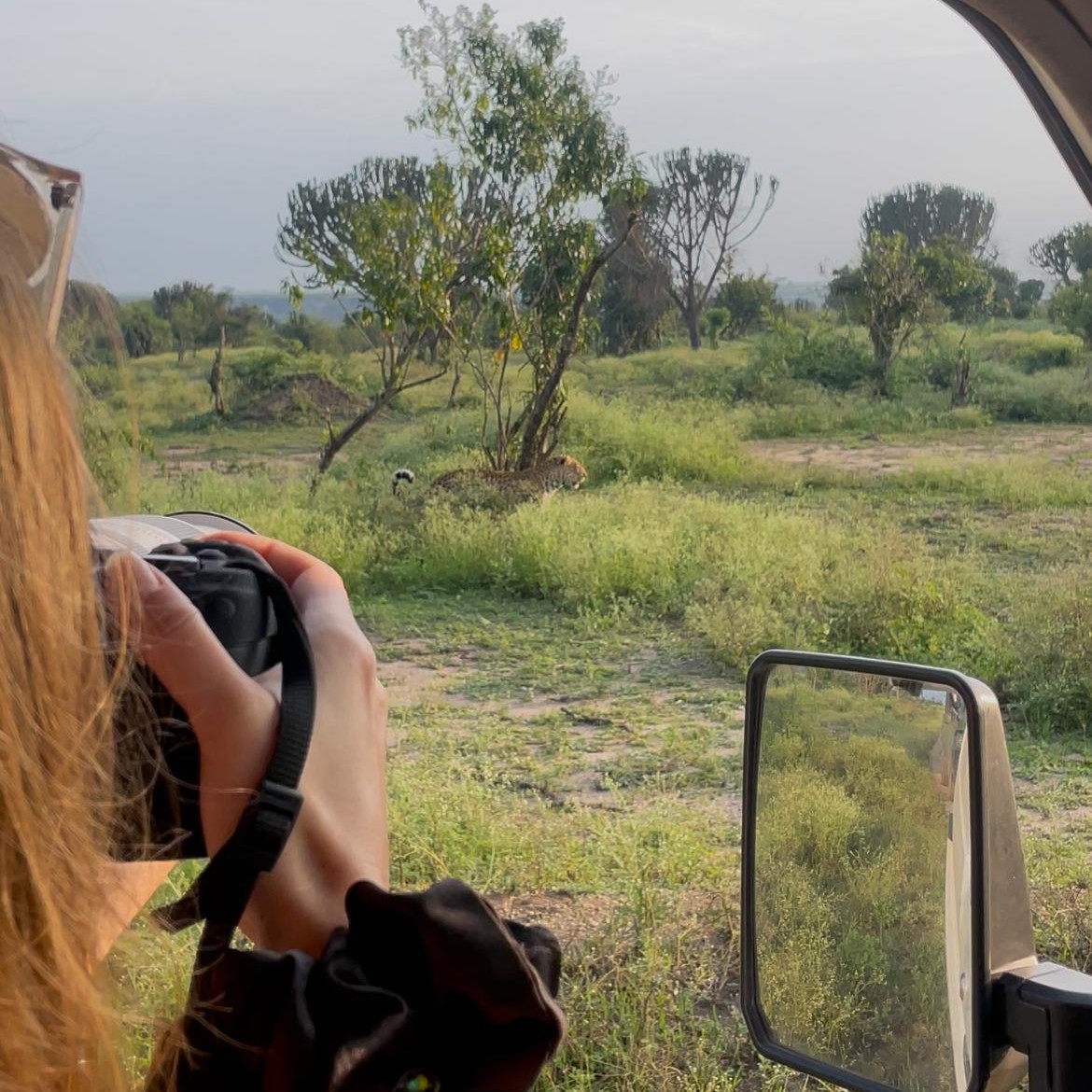
- Never hang out of windows or open your doors for a better view, not for predators or any other animals. If you are focused on one lion or hyaena, there may be others behind you in the thickets. Any limb or camera extending outside the vehicle could be seen as prey.
- Don’t be tempted to get too close for a photo. It can stress the animal, put you in danger, and even interfere with a hunt.
- Don’t block the path of an animal on the move. Whilst this is important when around big game for your own safety, it is equally important around other animals in order to not interfere with their natural movements.
Integrating wildlife respect into your overlanding plan
When you book a self drive trip in Africa, include these steps:
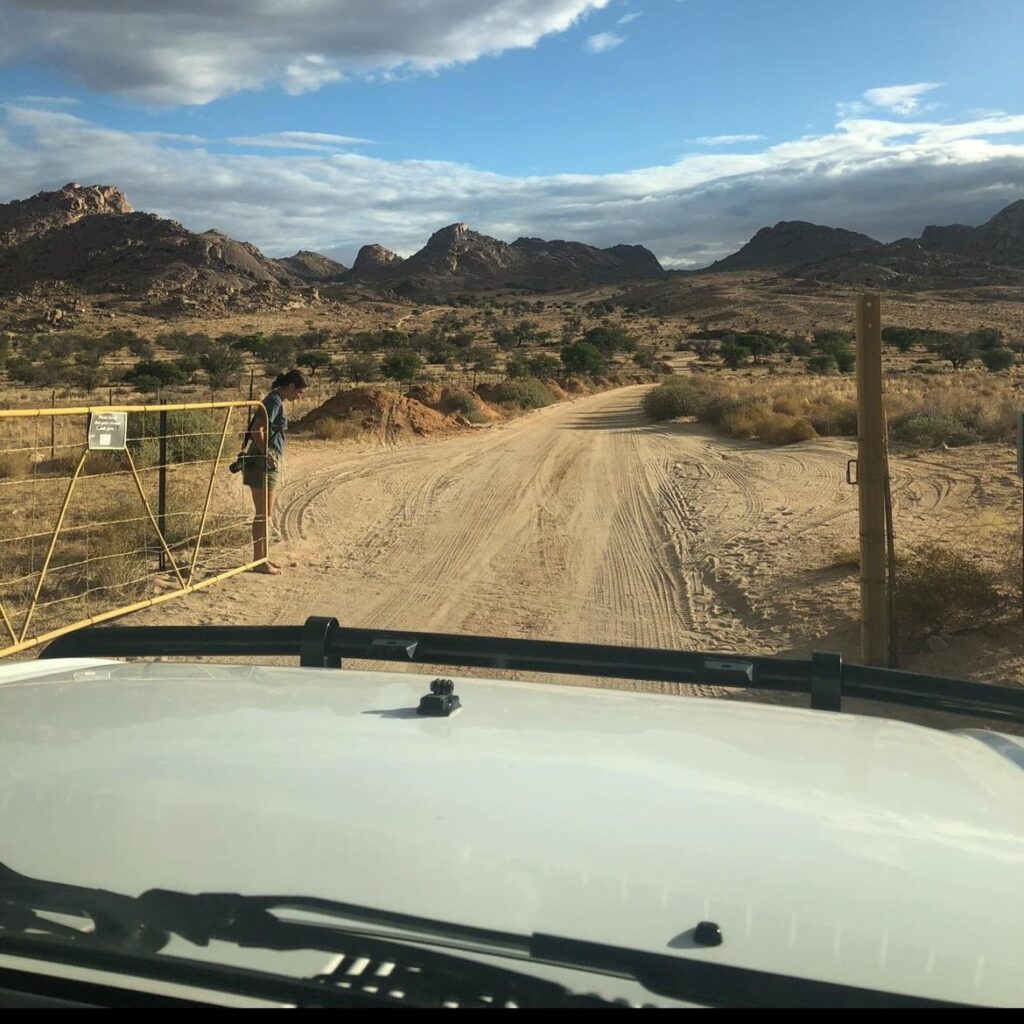
- Pre-trip briefing: Review wildlife behaviour, species conditions, how to interpret body language.
- Vehicle equipment: Keep a clean windshield, extra batteries, binoculars, full fuel and water, first aid.
- Time your drives: Early morning and dusk are best for movement; mid-day often means animals rest.
- Night ends: Stay inside designated camps after dusk unless guided and when walking around camp always carry a torch to watch where you’re stepping and keep and eye on anything in the nearby bush.
- Document sightings quietly: Use zoom lenses, remain still, respect the moment rather than chase photos.
Why ethical driving enhances your safari experience
When you drive with respect for the animals you’re viewing, something shifts. The tension drops. Instead of chasing or alarming wildlife, you become part of their rhythm. In our own trips across Africa, the best sightings happened when we parked quietly, engine off and binoculars up. Elephants wander past, buffalo graze nearby and leopards rest on the trees. The moments you don’t force are what makes safari so special, just observing wildlife, undisturbed in its natural habitat. And that’s exactly what overlanding is all about, being in the wild on your terms, responsibly, thoughtfully, quietly.
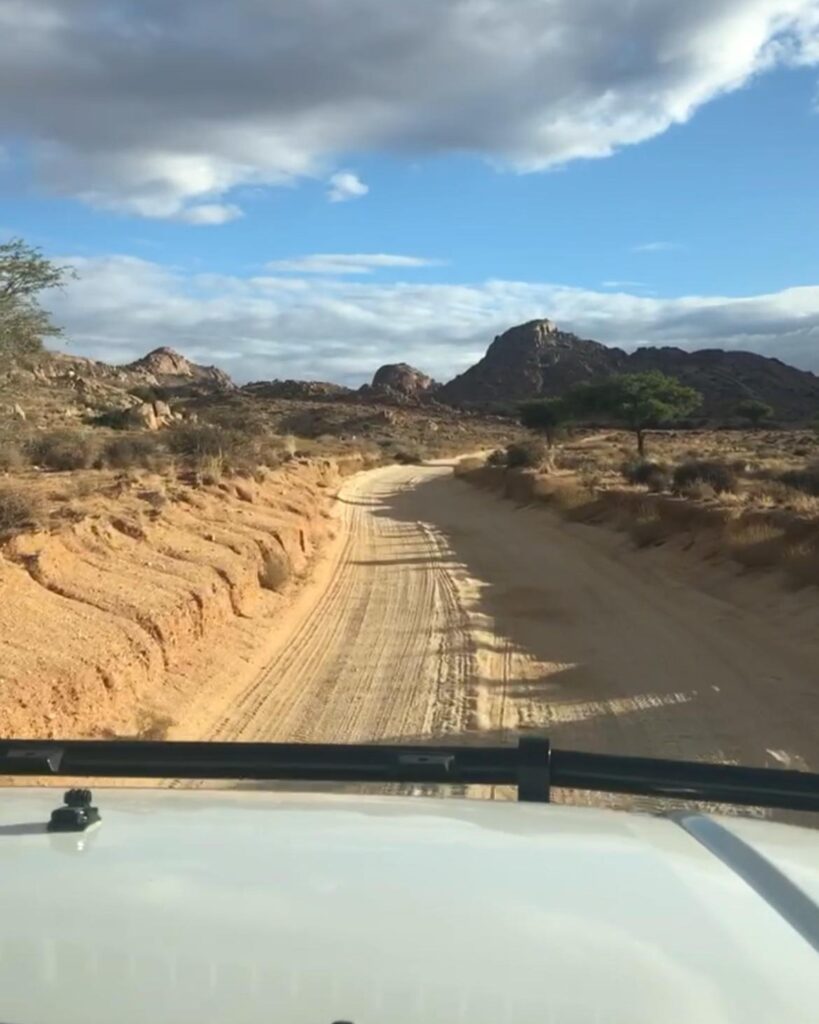
Please remember that the advice shared here serves only as a general guideline. It’s always best to consult local rangers or park officials before entering any wildlife area, as the behaviour of elephants, buffalo, and other species can vary greatly between regions, depending on each park’s history and level of human interaction.
While we both have extensive experience driving around wildlife, camping in the bush, and Lorena is a qualified FGASA guide, it’s still essential to use your own judgement and seek out multiple official sources such as the official SANParks website for the most accurate and up-to-date guidance.
At Drive Africa, we help you plan every aspects of your trip – the specialist vehicle, the route, the accommodation, the experiences, all the while in keeping with the mindset for an ethical self drive safari. Whether you’re crossing Namibia’s dune, weaving through Botswana, or exploring South Africa’s parks, you’ll want to be safe, respectful and ready for the moments that stay with you long after the trip ends.
Whenever you’re ready to get off the beaten track, let’s custom plan your own perfect trip fully bespoke to you.