At Drive Africa, we offer flexible options to suit different levels of planning and adventure.
- Compehensive itinieraries. Includes all accommodation for each night, a specially selected vehicle with insurance for two drivers, and all necessary camping, cooking, recovery, and storage equipment. You’ll also receive expert planning, advice, and support before and during your trip, plus a detailed document covering your route, destinations, directions, contact information, and other essential details.
- Partially planned itineraries. These include specialist vehicle hire with all necessary equipment, a suggested route, recommended destinations, accommodation options, and additional guidance to help you plan and enjoy your own trip.
- Vehicle rental only. We provide a fully equipped off-road vehicle suited to your chosen region, ensuring a safe and comfortable self-drive adventure.
Each option is designed to give you the freedom to explore Africa your way, with support where you need it.
At Drive Africa, we offer a range of trip styles to suit every preference, from budget to mid-range to luxury.
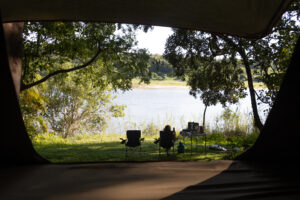
- Budget trips typically involve camping and self-catering using the roof top tent and cooking equipment provided with your vehicle. Your vehicle will also include water containers, and we’ll book you into some of our favourite campsites, most of which offer toilets, showers, and cooking facilities, including braai spots.
- Mid-range itineraries often combine camping with stays in guesthouses or budget lodges. You’ll still have all camping equipment, but selected nights may be booked into private rooms, based on your budget and preferences.
- Luxury itineraries focus on comfort. You’ll still be provided with a fully off-road capable 4x4, but if you chose to stay exclusively in lodges and guesthouses, the vehicle will come without a roof top tent or camping equipment, unless otherwise requested.
All trips are fully bespoke. We can mix and match styles, so you could spend nights camping in the Kalahari and then enjoy fully catered, luxury lodges in Kruger. Your trip is tailored entirely to your wishes.
Below is an overview for some of the key regions in southern Africa. Feel free to use this as a rough guide when thinking about your trip, however we will provide more detailed advice for specific routes when you get in touch for your quote.
South Africa:
Cape Town & Garden Route: The best time is during the summer months (November to March), with warm, sunny weather perfect for beaches, wine regions, and outdoor activities. Winter (June to August) is cooler and wetter but can be a quieter time to explore.
Namibia: The dry season (May to October) is ideal for wildlife viewing and self-drive trips, with cooler temperatures and clear skies. The wet season (November to April) brings dramatic green landscapes, occasional rain, and fewer crowds, though some roads may be challenging.
Botswana: Best visited in the dry season (May to October), when wildlife concentrates around water sources in the Okavango Delta and Chobe. The wet season (November to April) brings flooding in some areas, lush scenery, and migratory birds, but some roads may be less accessible.
Zimbabwe: Wildlife spotting is best during the dry season (May to October), with thinner vegetation and animals gathering near rivers and waterholes. For Victoria Falls, the high-water season (February to May) offers the most spectacular flow, while the dry season (September to November) provides clearer views and better walking conditions.
Uganda can be visited year-round, but the dry seasons (December to February and June to August) are ideal for easier travel and better forest treks.. Gorillas in Bwindi and Mgahinga, and animals in Murchison Falls, Queen Elizabeth, and Kibale, are easier to spot when vegetation is less dense.
Each destination has its unique seasonal advantages, so the best time depends on your interests, whether it’s safaris, hiking, or iconic scenery.
Your rental vehicle collection will be arranged to suit your preferences. If you’d like to start your adventure immediately, we can have friendly staff meet you at the airport. Alternatively, the vehicle can be delivered to your accommodation so you can settle in first. We work with trusted partners across Southern Africa, allowing for convenient vehicle collection and drop-off at most major airports and cities.
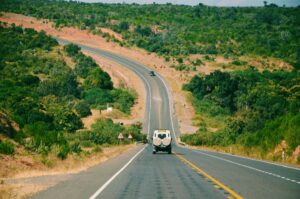
We offer a range of vehicles tailored to your trip style, route, and preferences. Most of our overlanding trips require a fully equipped off-road 4x4, typically the legendary Toyota Hilux or Land Cruiser, fitted with off-road ready tyres, suspension, and recovery equipment. For camping trips, vehicles include a roof top tent (or two if requested), bedding, cooking gear, a fridge freezer, chairs, table, water containers, fuel cans, and spare tyres.
In terms of group size, provided vehicles can accommodate either 2 or 4 people, with the option of fitting 2 roof top tents to ensure everyone has a comfortable sleeping space. Alternatively, for larger groups, multiple vehicles can be provided in order for you to convoy together on your Africa adventure.
For some routes, such as the Garden Route or certain Kruger itineraries, a standard hire car may be sufficient, helping to reduce costs if desired. Your specific vehicle and equipment will always be clearly outlined in your itinerary and quote, ensuring you know exactly what to expect for your adventure.
All rental vehicles provided by Drive Africa come with insurance. The level of coverage varies depending on your trip and will be specified in your final quote.
We do not provide personal travel insurance, and we strongly recommend arranging your own to cover trip disruptions, personal accidents, and illness. Having comprehensive travel insurance ensures peace of mind while you focus on enjoying your adventure.
Absolutely. Every Drive Africa trip is fully tailored to you. The itineraries on our website are predominantly intended as inspiration, and while you definitely can book them as is, we specialise in creating bespoke journeys. You can combine multiple routes, adjust the duration, mix comfort levels, or design something completely unique. With our extensive knowledge and network of partners across the region, we can craft a personalised adventure that includes everything you want to see and do.
Most of our vehicle partners include insurance for two named drivers as standard. If needed, additional drivers can be added for an extra fee. Just let us know in advance so we can arrange it for your trip.
If you’re travelling in an offroad-ready 4x4, your vehicle will come equipped with essential recovery tools such as tow straps, shovels, sand boards, jacks and spare wheels. The exact kit is detailed in your trip documents. Should you get stuck or experience a breakdown and cannot self recue, your first point of contact is the vehicle provider’s ground support. Drive Africa will also be on hand to guide and assist you, and your trip documents will include clear instructions on what to do in these situations. There’s no need to panic, help is always available.
No, fuel is not included. Fuel stations are widely available along our suggested routes, and your trip documents will highlight any key points where you should be sure to top up your tank and jerry cans, such as before entering remote national parks.
Yes, we can definitely arrange multiple vehicles for larger groups. Traveling together in a convoy not only makes the journey more enjoyable but also provides extra peace of mind, especially in recovery situations.
Meals and drinks are only included where specified in your quote and itinerary. Self-catering is typical for campsites and budget guesthouses using your onboard cooking equipment or onsite braai facilities. Luxury lodges often include all meals and some drinks, which will be clearly detailed in your quote.
No, we do not currently offer a flight booking service. However, we can provide recommendations on the best airports to arrive at and depart from based on your chosen route.
Clothing:
Pack light, breathable layers suitable for hot days and cooler evenings. Include long sleeves and trousers for bush walks and evenings to protect against insects. Bring a warm jacket for early mornings and nights, especially in the desert or highlands. Your clothing choices should also consider the time of year—lightweight, moisture-wicking fabrics for the hot season, and warmer layers during the cooler or wet season.
Footwear:
Sturdy, comfortable shoes are essential for hiking, bush walks, and exploring uneven terrain. Sandals or flip-flops are useful for camp or lodge relaxation.
Sun and Insect Protection:
High SPF sunscreen, a hat, sunglasses, and a lightweight scarf or buff are recommended. Mosquito repellent (sprays, lotions, or wearable devices) is essential, particularly during the wet season.
Camping Essentials:
Bring a durable backpack for day hikes, water bottles or hydration packs, and a torch or headlamp with extra batteries.
Other Essentials:
Personal toiletries, a small first-aid kit, binoculars for wildlife spotting, camera equipment, and any necessary chargers or power banks. A compact rain jacket is useful during wet season travel.
Medication and vaccines: Consult a travel doctor or nurse on advice for any malaria medication or vaccines that may be reccomended, depdming on the regions you will be visiting.
Tip: Pack efficiently, keeping frequently used items accessible, and remember that your vehicle will already come equipped with many camping and cooking essentials if camping is included.
There are various recommended vaccines when travelling to Africa. Malaria tablets are also sometimes advised if travelling to risk areas. You should always consult a travel doctor or nurse for advice on recommended vaccines and malaria medication, depending on the regions you plan to visit.
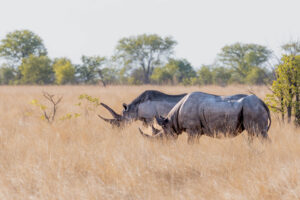
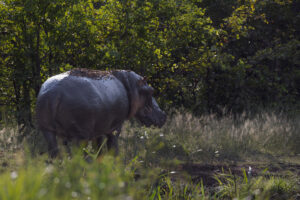
Wildlife can be seen throughout Southern Africa, often right at the side of the road during your travels. However, some areas are renowned for their exceptional wildlife viewing. In South Africa, Kruger National Park is world famous for spotting the Big Five. Namibia offers incredible experiences in Etosha National Park. The Central Kalahari, Chobe National Park and the Okavango Delta in Botswana are abundant with wildlife. Zimbabwe’s Mana Pools and Hwange National Parks are exceptional for seeing elephants, lions, and other iconic species.
Other types of wildlife such as whales, seals and penguins can also be spotted at various locations, such as South Africa and Namibia's stunning coastlines.
These hotspots, along with countless other private reserves and national parks, provide unforgettable opportunities to encounter Africa’s incredible wildlife up close.
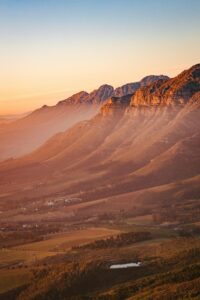
Stunning landscapes are abundant throughout Southern Africa. Namibia is world-renowned for its otherworldly desert vistas, while South Africa’s Garden Route offers lush, varied coastal scenery. The Panorama Route in Mpumalanga showcases dramatic canyon views, and Zimbabwe’s Eastern Highlands are a hidden gem with rolling mountains and verdant valleys. Whether you’re drawn to deserts, mountains, coastlines, or river gorges, Southern Africa offers a diverse range of landscapes that will leave every traveller in awe.

Drive Africa aims to share our love of overlanding in Africa by designing and booking fully bespoke trips, tailored just for you.