What we know and travel advice following the recent fire.
News broke recently of a large wildfire in Etosha National Park, one of Namibia’s most iconic destinations for wildlife and self drive travel. For those of us who love overlanding in Namibia, the reports are a reminder that even the most familiar landscapes can change in ways we don’t expect.
What Happened
In late September 2025, a wildfire spread quickly through parts of Etosha after starting near the southern boundary. Strong winds and dry conditions allowed the fire to grow, affecting both grazing land inside the park and some areas just outside.
According to reports, around 38 percent of the park area was impacted. Teams of soldiers, firefighters, rangers, and volunteers worked for days to bring the blaze under control. The fire is now largely contained, but there will be ongoing recovery and monitoring for some time.
Sadly, some wildlife has inevitably been lost, though the full impact is not yet known. However, despite the damage, many parts of Etosha remain untouched and are open to visitors.
What This Means for Self Drive Travellers
For Drive Africa clients and others currently travelling Namibia and planning to visit Etosha, here are some points to keep in mind:
1. Roads and access
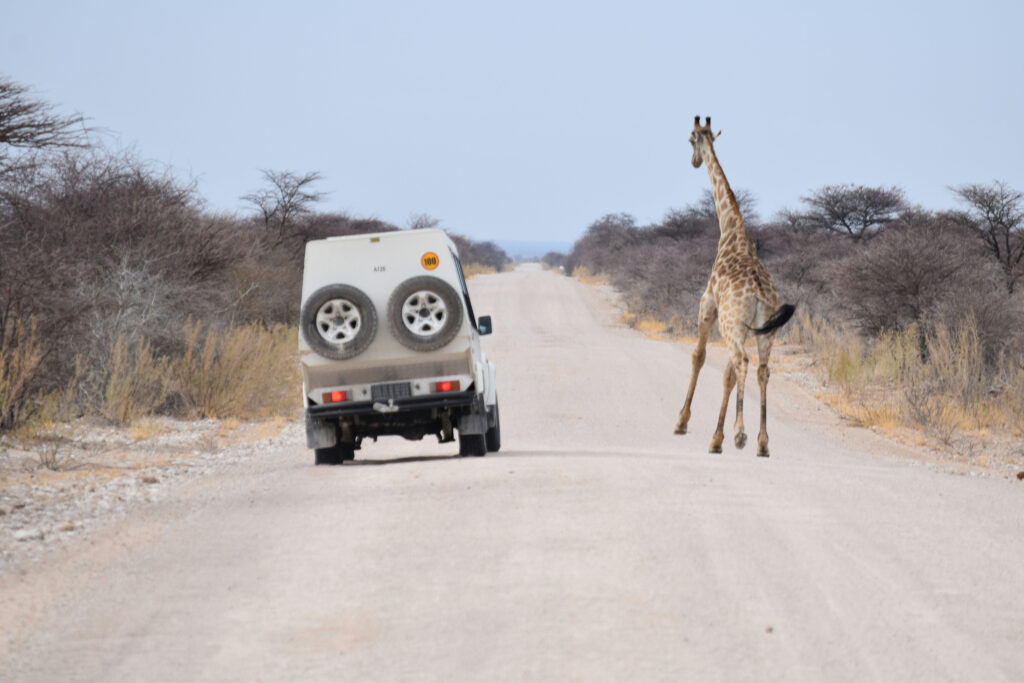
Most main roads and self drive routes in the park remain open. Certain areas may be restricted for safety or recovery, so it’s worth checking in advance with park authorities or your lodge/camp.
2. Wildlife viewing
Etosha’s famous waterholes and key wildlife viewing areas were not all affected. While some zones may take time to recover, much of the park still offers excellent game viewing. In fact, after fires, new grass growth often attracts grazers in the following seasons.
3. Accommodation
Campsites and lodges within and around Etosha are operating as usual. Some may adjust itineraries slightly depending on access to certain parts of the park, but travellers can expect a normal level of service.
4. Fuel and supplies
No disruption has been reported to fuel stations or supply points in the area. As always when overlanding in Namibia, fill up when you can and keep an extra jerry can if you are travelling further afield.
5. Travel advice
Check for updates before you set off. Etosha National Park staff and travel forums are usually quick to share the latest information and we will be keeping our clients and readers up to date. Flexibility is sometimes a part of self drive travel, and being prepared to adjust your route is always helpful. We have been in touch with all of our clients in the area and should we need to adjust any existing itineraries we will be staying in regular contact.
Why It’s Still Worth Visiting
Namibia is famous for its wide open spaces and sense of wilderness. While wildfires are a challenge, they are also a natural part of these ecosystems. Over time, the landscapes regenerate and wildlife adapts.
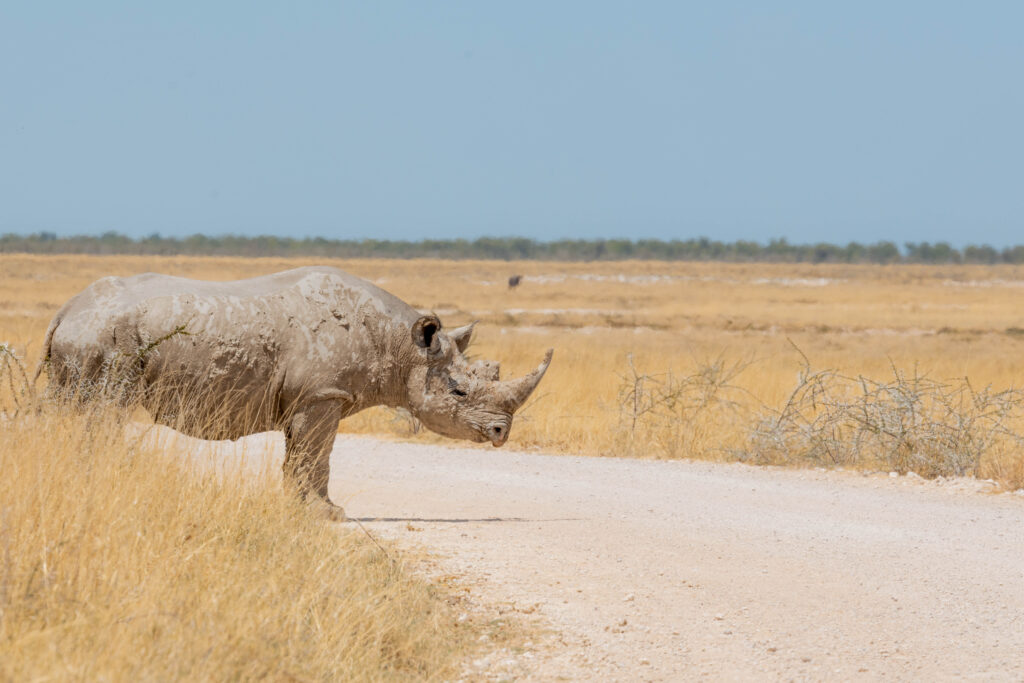
For overlanders, the fire is not a reason to avoid Etosha but rather a reminder to travel responsibly. Stick to designated roads and tracks, respect closures, and avoid any activity that could pose a fire risk.
Etosha remains one of the best places in Africa for a self drive safari, and it continues to offer that incredible sense of freedom that makes Namibia so special for overlanding.
Final Thoughts
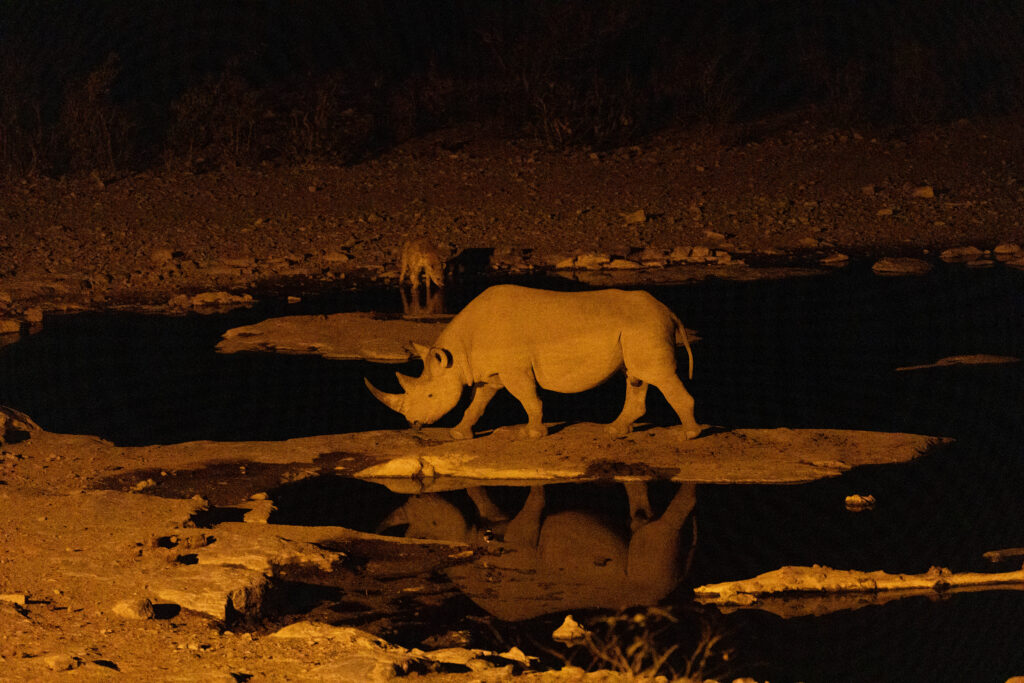
We’ll always have a soft spot for Etosha. Watching the waterholes at night is an unforgettable experience, and the sight of the park’s iconic white, dust-covered elephants is just one of the many things that make this place so unique. The recent wildfire is significant, but it doesn’t change what makes the park special.
If you are planning a trip through Namibia, whether on a long overlanding journey or a shorter self drive holiday, we remain confident that Etosha is still very much worth including in your itinerary.