Essentials for a comfortable, stress free and enjoyable adventure.
Overlanding through Africa is one of the best ways to experience the region. Each day brings new landscapes, wildlife, and challenges. But packing right makes all the difference. Travel light but smart, so you’re ready for dusty gravel roads, hot sun, cold nights, and everything in between. Here’s what we always bring on our self drive Africa trips, based on our many overlanding adventures with Drive Africa.
1. Vehicle and Recovery Gear
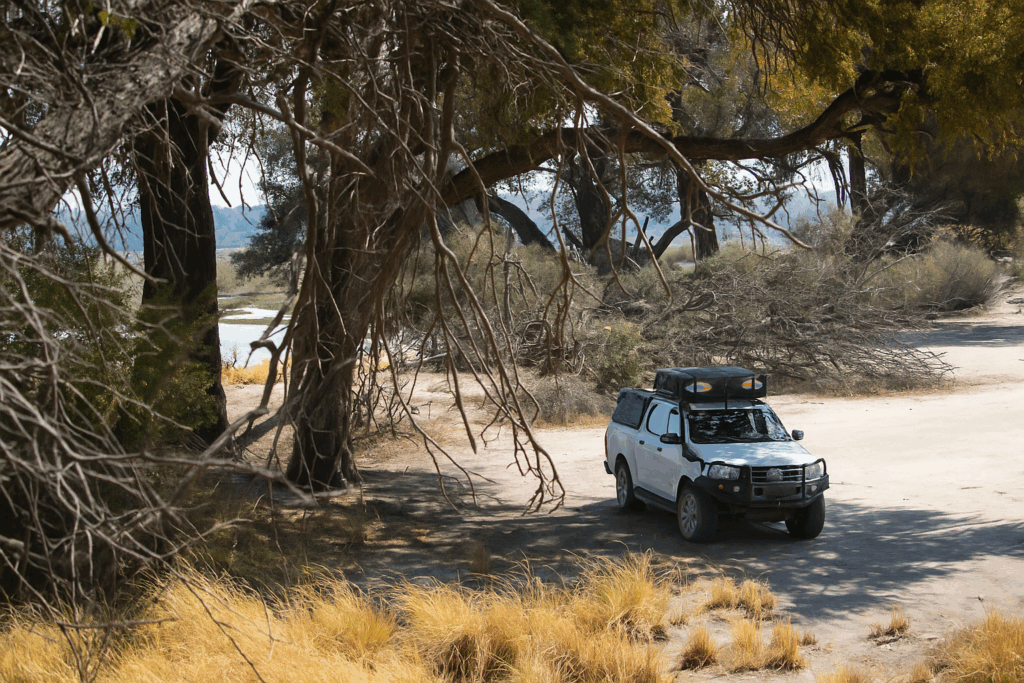
Since the vehicle is your basecamp when you do overlanding, make sure it’s fully equipped. Of course when you book a Drive Africa trip we ensure that you have the right vehicle and set up for the environment. If you are setting out in your own vehicle however, the following list is a good start point for what you should be equipped with.
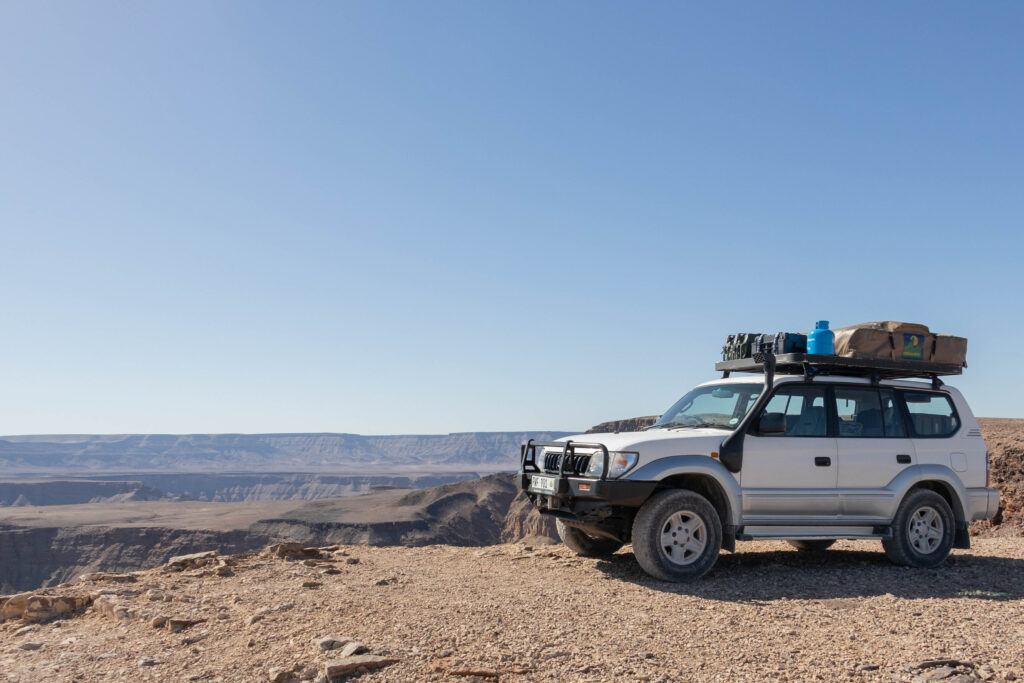
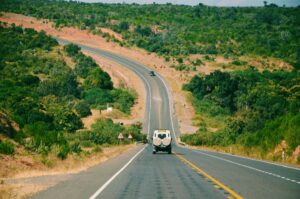
- A suitable, reliable and well maintained 4×4 vehicle. The Toyota Hilux or Land Cruiser are the vehicles of choice for most overlanders due to their reliability reputation, offroad ability, parts availability and repair knowledge throughout Africa.
- Appropriate tyres for the terrain – Offroad tyres are essential for most trips, a good set of all terrain tyres will usually be your best bet for most routes.
- Spare tyres (at least one full size), basic repair tools, a jack, puncture repair kit, inflation kit, basic spare parts and fluids for a service.
- Recovery gear – Straps, shackles, a shovel and traction boards – useful for soft sand or muddy roads where the chances of getting stuck are increased.
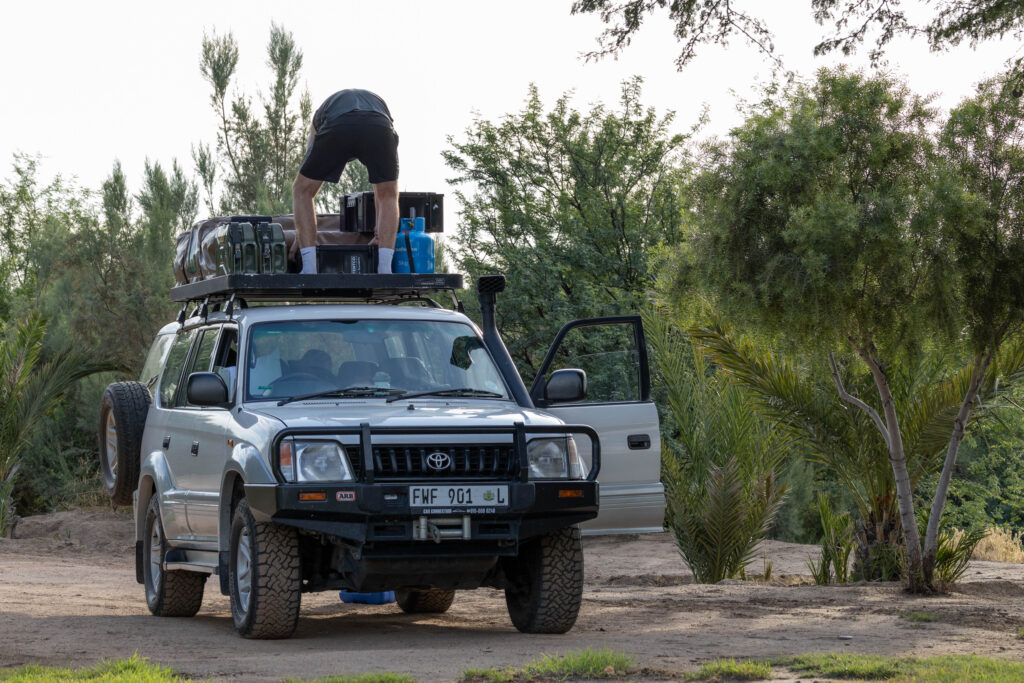
- Fuel jerry can – Fuel stations are readily available on most routes but it’s still good to have a jerry can or two in reserve for emergencies if you forget to keep an eye on the fuel gauge.
- Good vehicle lighting and extra fuses – Driving at dawn or dusk often means low visibility.
- An intake snorkel – Another one that won’t be absolutely necessary for most routes if well planned, but also good to have for unexpected, watery situations, especially if crossing areas such as the Okavango or Caprivi.
- Bumper mounted winch – This is an extra that most will never need to deploy but for peace of mind, it’s a great option to have.
2. Shelter and Sleep Setup
If you’re camping, a good, comfortable sleep setup makes all the difference. You want to be well rested, not only ready to safely cover some more miles but also to make the most of the day. If you opt for lodges and guesthouses for you whole trip then this part will of course already be taken care of. If you’re camping then there are a few essentials you want to get right.
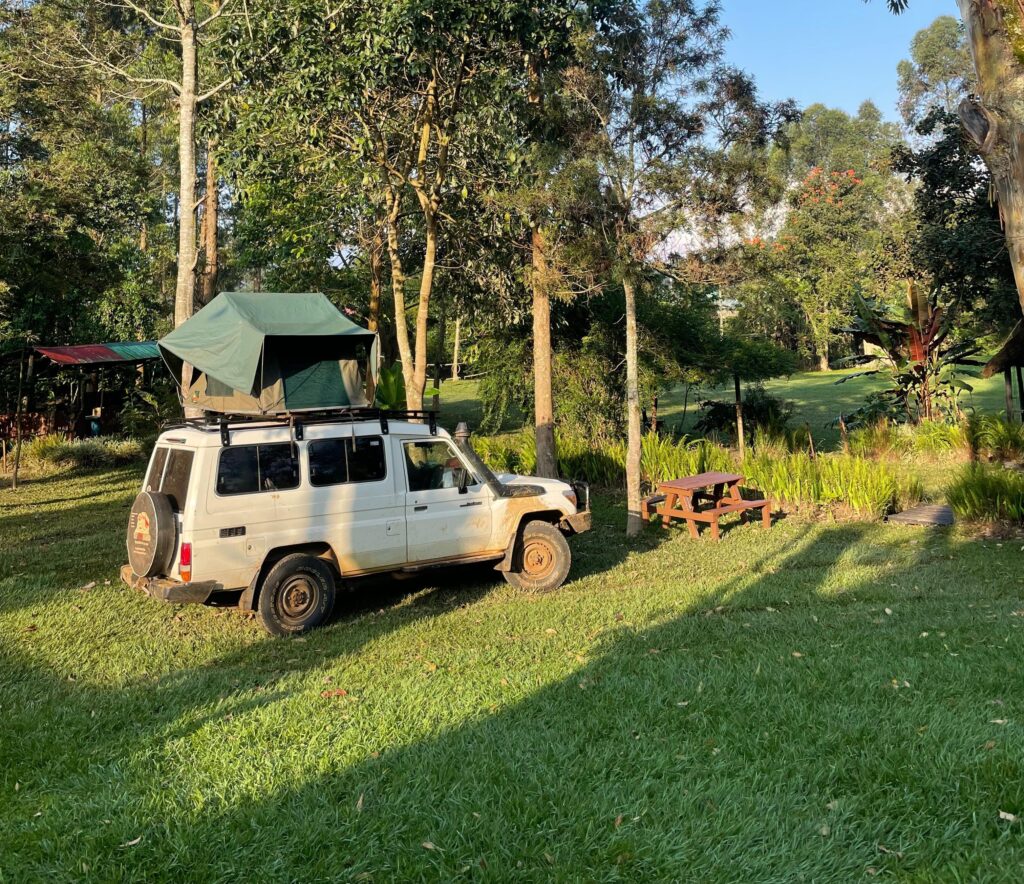
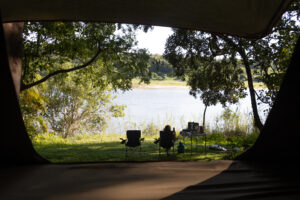
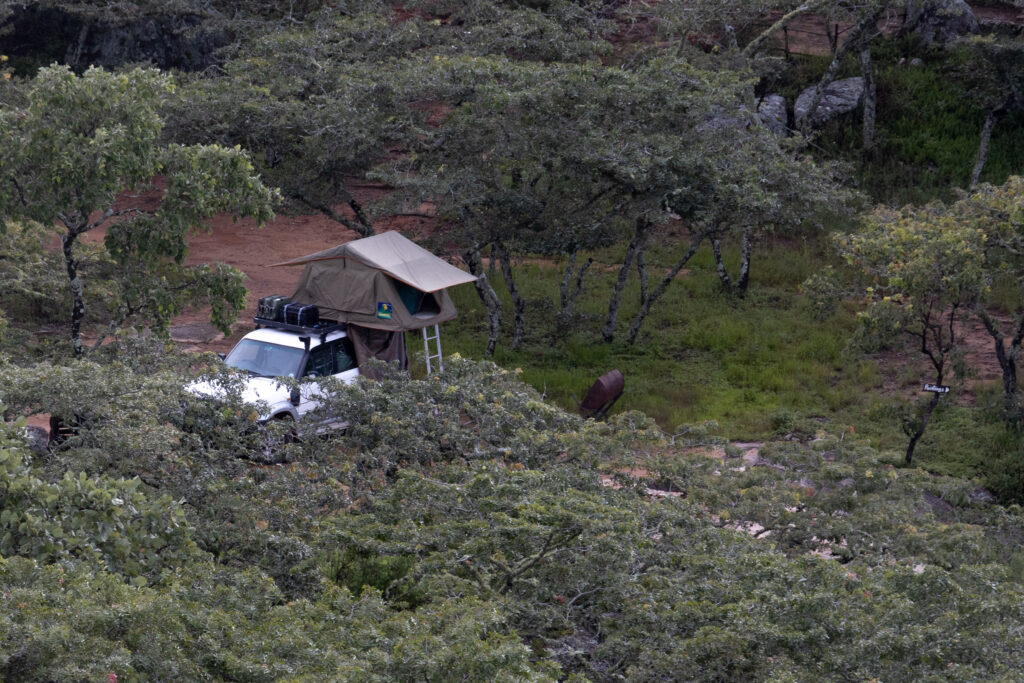
- Rooftop tent – Without doubt the most comfortable and convenient option for camping overlanders. These clever setups fold up onto the roof of your car making it easy to set up, fold away and transport with you. As well as this, they are also very comfortable compared to traditional ground tent thanks to their solid, flat floor and quality bed like mattresses.
- Sleeping bag or bedding – If you are camping in a rooftop tent, we find that just regular bedding is your best option. It’s the comfort of sleeping at home in your tent. And even better, in most tents you can leave it in place when you fold it up for the drives, that way its quicker to set up and save space inside your vehicle. From personal experience we recommend a duvet or blanket that is bigger than the mattress size of your tent. If you’re a couple sharing a tent and the blanket is too small you’ll be fighting over it all night!
3. Clothing and Temperature Layers
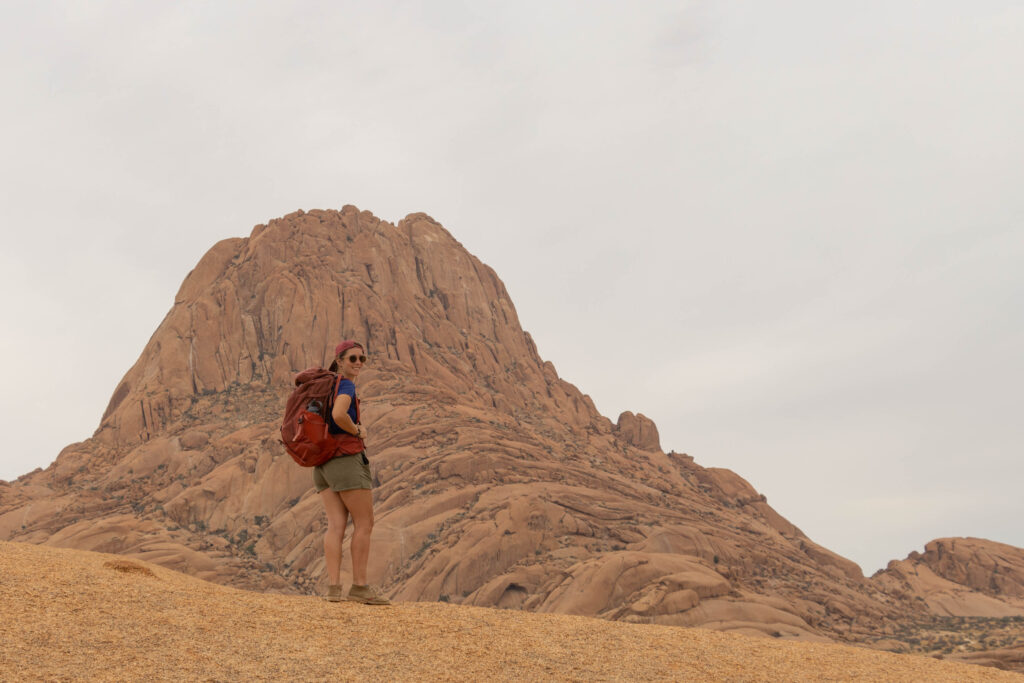
Africa’s weather can surprise you. Hot during the day, chilly at night, or sudden rain. Pack layers and fabrics that work:
- Tops – loose, quick dry shirts or t-shirts, one or two long sleeved shirts for sun and insect protection.
- Bottoms – comfy shorts, maybe one pair of lightweight hiking pants for walks.
- A light jacket or fleece – for early morning or high altitude areas.
- Rain jacket or windbreaker – Better to have it and not need it than get soaked.
- Sun protection – peaked hat, sunglasses, buff or scarf for dust.
- Swimwear – You’ll hit rivers, pools, waterfalls.
- Towel – Useful for swimming but especially important if camping for use in the campsite showers.
4. Essentials: Personal, Safety, and Health
Whenever you travel remote it’s always a good idea to carry the basic first aid essentials. Just enough to treat any minor injuries or illnesses you may pick up before you can get professional help if needed when you reach the next town. For anything more serious, good travel insurance is essential for this kind of travel should you need air evacuation to a major hospital.
- First aid kit: plasters, antiseptic, pain relief, antihistamines, medication for stomach upsets. In malaria zones, anti malaria medicine and mosquito repellent with DEET. Always consult a doctor or travel nurse for medication advice.
- Sunscreen and lip balm – African sun can of course be intense and no-one wants a sunburn ruining their trip.
- Water bottles or hydration bladder. Also water purification tablets or filters to be safe in remote areas.
- Toiletries – biodegradable soap, quick dry towel, wipes for when showers aren’t possible.
5. Tech, Navigation and Power
When you’re out in wild places, tech that works matters:
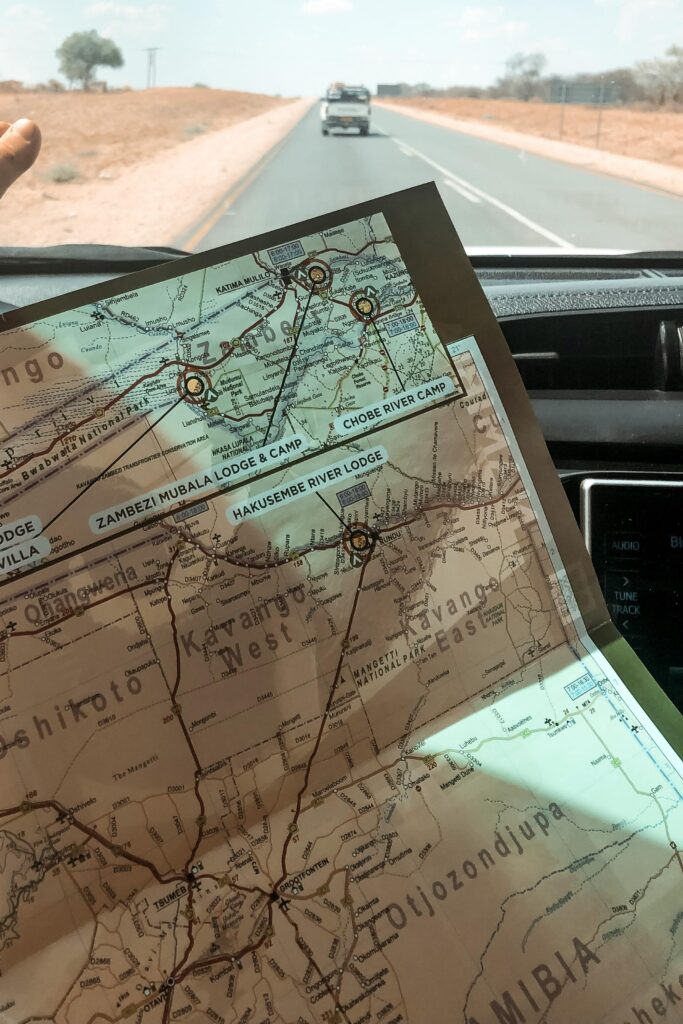
- GPS unit – offline mapping on phone, and paper maps where available.
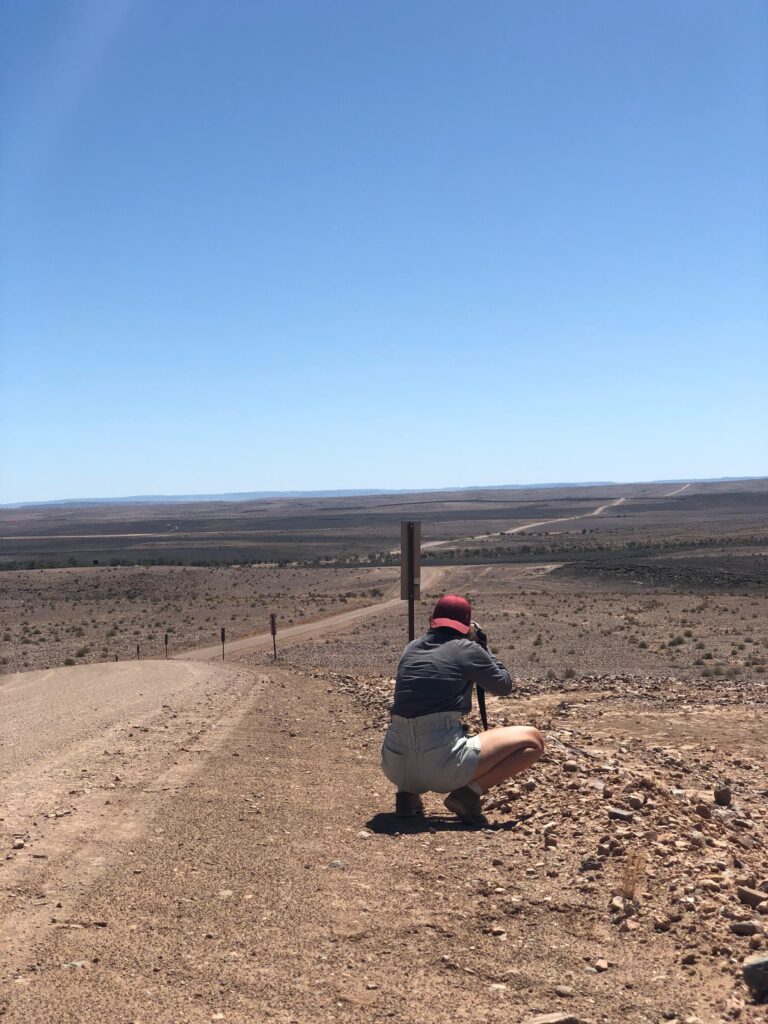
- Camera – with decent zoom for wildlife, spare memory cards and batteries. Phone works but having a good zoom lens helps.
- Power banks – to charge phones, cameras, lights. Solar panels and power stations are great for the longer trips if you camp off grid.
- Headlamp or reliable torch – with spare batteries, essential for late camp setups or hiking.
- Binoculars – Like cameras, you can spend a little or a lot, but even an affordable pair is worth packing. You’ll be very thankful for them when spotting wildlife in the distance, and are especially handy for birdwatching.
6. Cooking, Food and Camp Comforts
Food often becomes one of the highlights when overlanding:
- Portable stove or camping hob; a gas bottle, lighters, fire starters.
- If possible carry some fire wood, either for an evening fire or for cooking on the braai.
- Lightweight cookware and eating utensils.
- A good car fridge – This really makes it easy to stock up on fresh food when possible to keep you going between towns and cities.
- Basic dry staples (rice, pasta, local snacks), spices, tinned food, tea and coffee. Fresh produce you can restock in local towns but the basics are always good to have stocked up.
- Jerry can for water – it’s important to have enough in reserve for any unexpected situations. Lots of towns in southern Africa have stations where you can refill with filtered drinking water.
- Fold up table and chairs for relaxed evenings.
7. Documents, Money and SIM Cards
The last thing you want to be doing on your trip is stressing about paperwork and documents or being caught short on cash. Plan ahead, have all your necessary documents printed and readily to hand and also backup copies. Having digital versions is also a good idea but if you get caught out at a border or checkpoint you definitely don’t want to be trying to load insurance documents or visa from your email app.
Cash points are usually readily available in most towns but it’s a good idea to carry some with you at all times. It’s also advisable to carry some emergency USD with you, its often accepted in many African countries in place of local currency if absolutely needed.
- Travel documents, passport, any required visas, driver’s license including any permits for cross border or remote region travel.
- Car documents – Whether you’re renting or have your own car, make sure to have insurance documents ready and make sure they cover you for each country you’re visiting. Some countries will require you to buy car insurance at the border post. You will also need proof of ownership if travelling in your own car.
- Carry enough local cash. Credit cards are accepted in many places but not everywhere. Some camps or small villages only take cash. It’s also important to research the cost of crossing borders as, again, some require cash for entry documents.
- Sim cards – We usually pick up a local sim at the first opportunity when entering a new country. In our experience in southern Africa this is pretty straightforward. Travel e-sim options are also now available but coverage can be patchy.
- Copies or photos of passport and driver’s license. Store digital copies too.
Final Tips from Drive Africa
- Pack ahead of time. Start your list weeks ahead, add items as you think of them, lay everything out, then cut what you don’t absolutely need. Some of our biggest regrets when overlanding have been packing too many clothes. Laundry is available at a lot of campsites, guesthouses and in local towns. We find it better to pack light and do laundry instead of taking huge suitcases that fill the car.
- Test your gear before you leave. Before you head off into the wilderness, pitch the roof tent, run the stove, check the vehicle lights etc. Better to find out in a well stocked town or city that when you’re setting up camp for the first time in a remote area.
- Think multi-use clothes that work in different situations, gear that can do double duty.
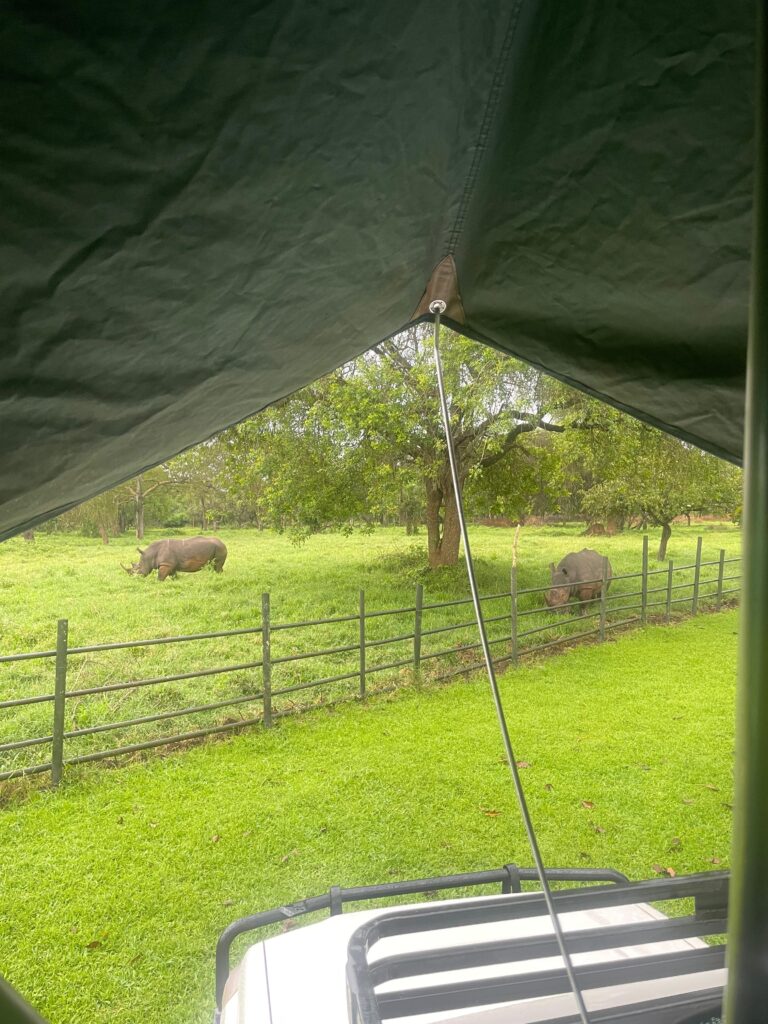
With the right kit you’ll be ready for everything from dusty desert drives to jungle hikes, river crossings to mountain sunsets. Overlanding is about freedom and discovery, and packing well means nothing holds you back.
When you book a Drive Africa trip we make sure you’re ready to go. As far as the vehicle goes we take care of everything, appropriate vehicle for the terrain, all the equipment for your style of travel, cooking gear, camping gear, insurance and cross border documents.