A Full Guide to Overlanding in Kruger National Park
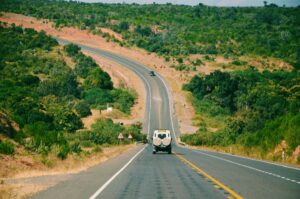
Kruger National Park is one of Africa’s most iconic safari spots, and for many overlanders it’s a dream to navigate its roads and tracks in your own vehicle. Driving yourself gives you control over pace, stops, and wildlife moments. On the other hand, Kruger is large, varied, and has many rules so preparation is key.
While some visitors stay in lodges or private reserves outside or adjacent to Kruger, the heart of the experience for overlanders is staying inside rest camps and transferring at your own rhythm. Private reserves and luxury lodges in Greater Kruger offer guided drives and exclusivity, but they often lack that feeling of you and the bush in your own time that makes overlanding magical.
Know Your Kruger Zones: Landscape & Wildlife Differences
Kruger isn’t uniform. Each region has its own character, terrain, vegetation, water sources and wildlife density. Some roads are paved and some are lose gravel or sand. Here’s an overview of how things change as you move south to north:
| Region | Landscape & Habitat | Wildlife Focus / Highlights |
|---|---|---|
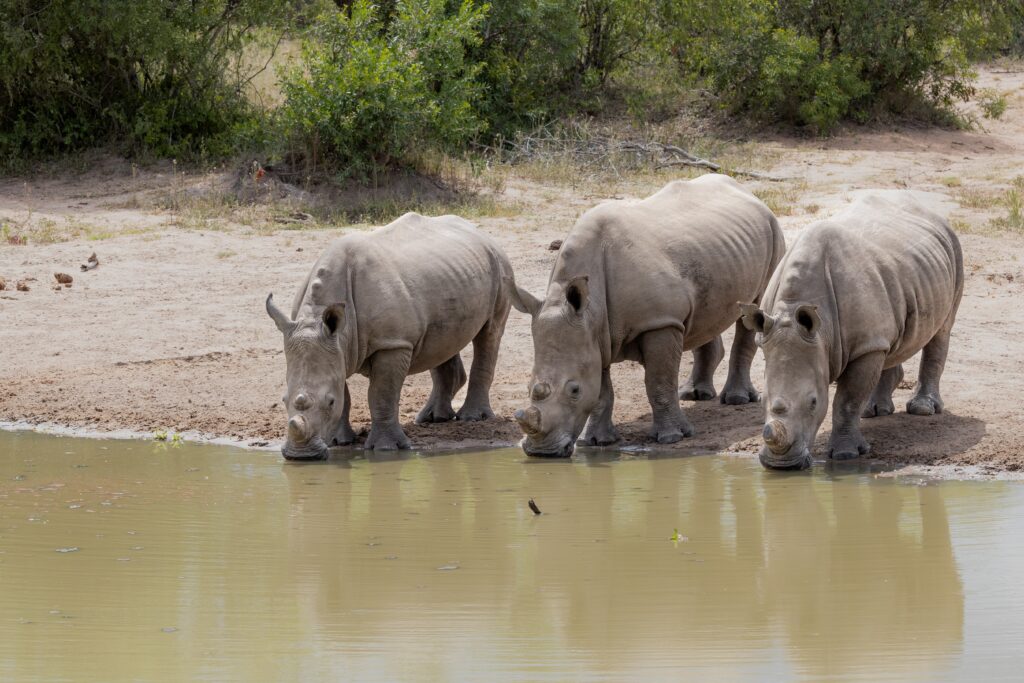
| Southern Kruger (e.g. Pretoriuskop, Lower Sabie, Skukuza) | Thornveld, riverine bush, dense foliage along rivers. | High densities of general game, hippos, crocs, good chances to spot leopard, rhino and lion. |
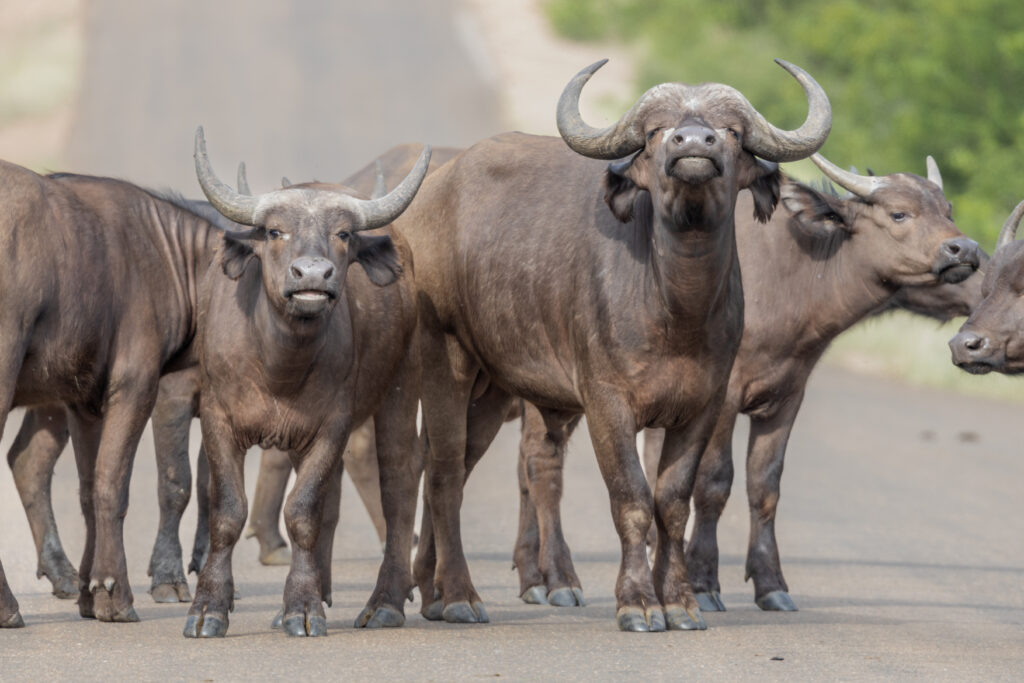
| Central / Mid Kruger (e.g. Satara, Orpen, Olifants) | Mopane plains, mixed woodland, open grass corridors. | Big prides, buffalo herds, elephant herds. |
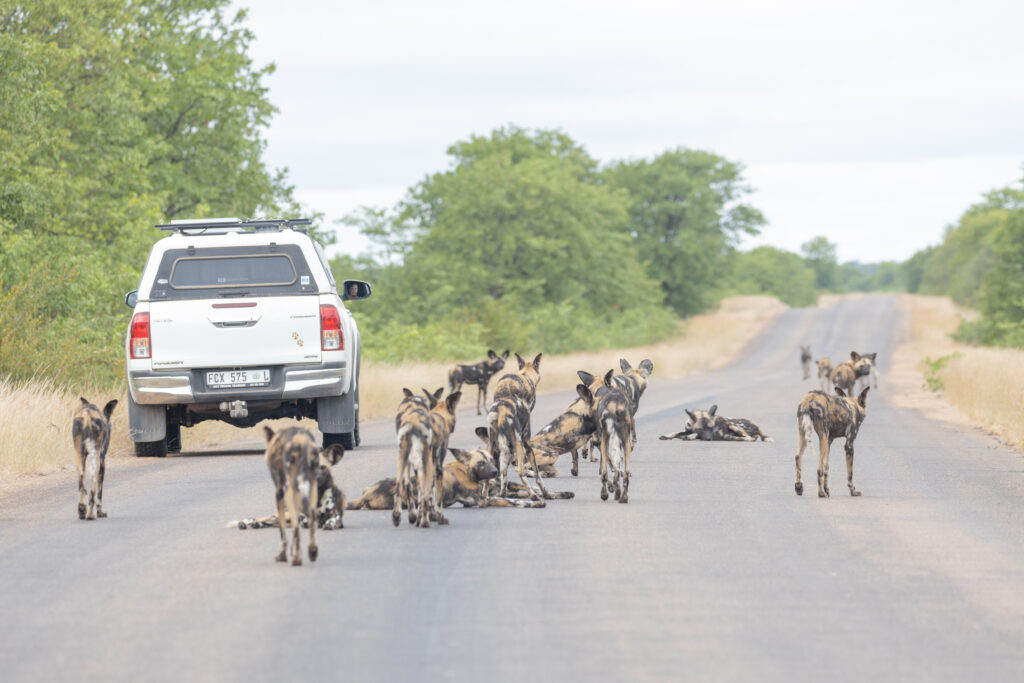
| Northern Kruger (Punda Maria, Shingwedzi, Mopani) | Baobabs, mopane, bushveld with less tourist traffic | Quieter, chances for wild dog, rarer sightings, more solitude. |
Because of this diversity, a multi-day loop through Kruger is very rewarding, you’ll experience different ecosystems and different animal behavior as you move through the regions.
Best Time to Visit & Wildlife Conditions
- Dry season (May to October) is widely considered the optimal period for self-drive safari. Vegetation thins, water becomes scarce, and animals crowd around waterholes, making sightings more frequent.
- Shoulder seasons (April / November) can still bring good sightings, though some roads may be trickier if rains linger.
- Summer (December to February) although hotter and wetter, this is great for birding and lush landscapes. Wildlife is more dispersed but in our experience we have still have some amazing sightings in these summer months.
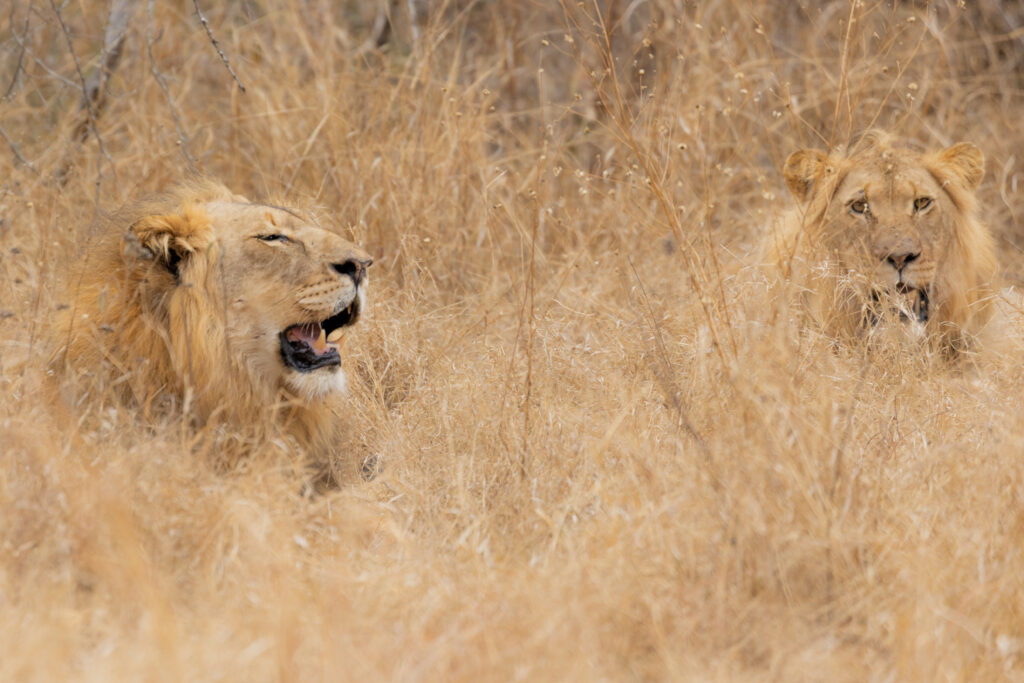
Plan your drives around the time of day. Early mornings and late afternoons are the most active times for predators and mammals. In the midday heat, wildlife often rests in shade, so be sure to get a good nights sleep ready to set off early in the morning when the gates open.
Vehicle and packing list for Kruger
Overlanding demands a thoughtful gear list. Here are essentials we always bring on a self drive Kruger trip:
- A suitable vehicle – If you’re only doing Kruger then a regular hire car works, however you will find yourself not able to reach a small number of the routes that are marked as 4×4 only. If you’re incorporating Kruger into a bigger overlanding trip such as our Zimbabwe and South Africa itinerary a fully equipped offroad vehicle is advisable, with all the necessary features and equipment for exploring more off the beaten path.
- Camera – They don’t need to be ultra expensive and for many sightings in Kruger even your phone camera will do a good job of capturing wildlife as you can often get fairly close. But a good camera with a zoom lens makes all the difference if you really want to get some epic shots.
- Binoculars – also essential in our opinion and again doesn’t need to be an expensive set, you’ll be glad of even a cheaper pair when trying to identify a distant animal or spot the amazingly diverse birdlife.
- Maps – offline navigation and a SANParks map book that you can pick up from any gate or camp. Downloading the area on Google Maps means you can at least locate yourself and navigate to camps and gates even when offline (there’s very little signal in the park).
- Kruger Explorer app – It costs $12.99 to download but we highly recommend it. It’s full of tips, advice, info on a huge range of wildlife, bird species and flora. We also love it for the sightings feature which allows you to tick off an animal when you’ve spotted it as well as giving you information about that species.
- First aid kit – Thankfully you’re never too far from help in the park but some essentials are always a good idea. A basic kit with plasters, anti-septic wipes, insect repellent and malaria medication (particularly if visiting northern Kruger). Always consult a medical professional, ideally a travel or tropical doctor, for advice on malaria medication.
- Water Bottle – Take a decent size water bottle each, we recommend at least 1 litre. You can refill at the camps in between drives and it’s important to stay hydrated throughout the day even when you’re just sat in your vehicle.
- Head lamp or torch – Very useful in the early morning or evenings at camp. All of the camps are fenced so the big wildlife stays out but it’s still important to have some form of torch to find your way round and keep an eye out for smaller wildlife that could bite, as you walk around camp in the dark.
- Layers of clothing – light gear for day, warm layers for early drives and night times. Long sleeves and long trousers for the evenings around camp are always a good idea for protection from the bugs.
- Camping gear – If your camping then ideally our vehicle will be equipped with a roof tent. It’s also possible to pitch a ground tent at the camp sites of course but in our opinion roof tents are by far the most comfortable and convenient form of camping.
- Cooking equipment – Lots of the camps have restaurants, but if you do plan to cook for yourselves, whether your camping or staying in one of the bungalows and plan to use the braai facilities, it’s a good idea to take along at least some dishes and utensils. Usually these aren’t supplied and although most of these things can be bought at the larger camps, it’s better to have them ready. Firewood is also available at many of the camps but again it may be better to take some along from outside the park to avoid overpaying or missing out at the busier camps.
- Laundry –
- A cooler or portable fridge – If you’re renting a fully equipped overlanding 4×4 then usually it’ll be kitted with an in car fridge/freezer, great for keeping fresh food and also icy cold drinks to help beat the midday heat on game drives. If your vehicle doesn’t have a fridge fitted, a cooler box is still a good idea for those refreshing drinks, ice and fresh food items can be bought at the bigger camps.
- Travel documents – You’ll most likely have it with you anyway but have your passport ready when entering the park, you’ll need it to purchase your entry permits.
- SANParks Wildcard – If you’re doing an extended trip around Kruger and other national parks in South Africa, it may make sense cost wise to purchase a Wild Card. This gives you unlimited access for a whole year to all of South Africa’s wide ranging and varied national parks and other attractions.
Accommodation Options: Rest Camps & Beyond
Rest Camps Inside Kruger
These are the backbone of self drive trips in Kruger. They range in facilities from basic campsites with shared amenities to chalets, bungalows, or safari tents. You stay inside the park, so you’re already close to the action. Camps fill fast, especially in peak season, so booking early is essential.
Private Lodges & Greater Kruger Reserves
Both Kruger National Park and the adjoining Greater Kruger reserves are home to a wide range of private lodges, offering everything from intimate boutique stays to world renowned luxury safaris.
Often at the higher end of the budget scale, these luxury options offer five-star service, fully guided game drives, and bush walks, all with an added level of comfort and the exclusivity that comes with being in a private reserve. Prices vary widely, with some of the top lodges reaching an eye-watering $10,000 per person per night. However, if a lodge stay fits within your budget, it can add something truly special to your Kruger experience, combining luxury and comfort with world class wildlife encounters.
Gate & Periphery Lodging
Staying just outside gates gives more flexibility (sometimes cheaper nightly rates) but means you can still drive into the park nice and early. This can work well especially for the night before your first day in the park or when leaving.
Sample Self Drive Kruger Strategy
- Start in southern Kruger (Skukuza, Lower Sabie) to settle in. Good wildlife density and comfortable camps.
- Work north via the Satara are, stay overnight at the well appointed camps.
- Take a break between drives at the rest stops in the middle of the day. Wildlife is less active in the midday heat and so it’s a good time to relax in the shade with a cold drink and some food.
- Explore northern sectors (Punda Maria, Pafuri) for quieter drives, rarer species and different landscapes.
- Complete some circular routes to cover more ground and see more of the park.
- Mix in guided night drives offered by rest camps to spot different wild life and potentially more active predators.
Rules & Tips for Safe & Enjoyable Self Drive Safari
- Stay in your vehicle unless at designated get out points. Exiting elsewhere is highly dangerous. Never lean of your vehicle in order to get a better view, you don’t know what wildlife is lurking in the nearby bushes.
- Drive slowly – Most importantly high speeds in the park are a danger to yourself and the wildlife. There are enforced speed limits and rangers are on patrol to catch speeding tourists. It’s also important to take your time as many sightings happen when scanning the bush or near waterholes, rushing by means you will almost certainly miss sightings.
- Use designated get out points and picnic spots to stretch your legs, take in surroundings, and break up long drives.
- Speak to staff & sighting boards at camps. These often show recent predator or rare animal sightings that can shape your route. It’s useful to plan a rough route but it’s also important to stay flexible. You’ll often get tip offs from passing drivers or the sightings board at the camps and it helps to follow these tips to find the more elusive wild life.
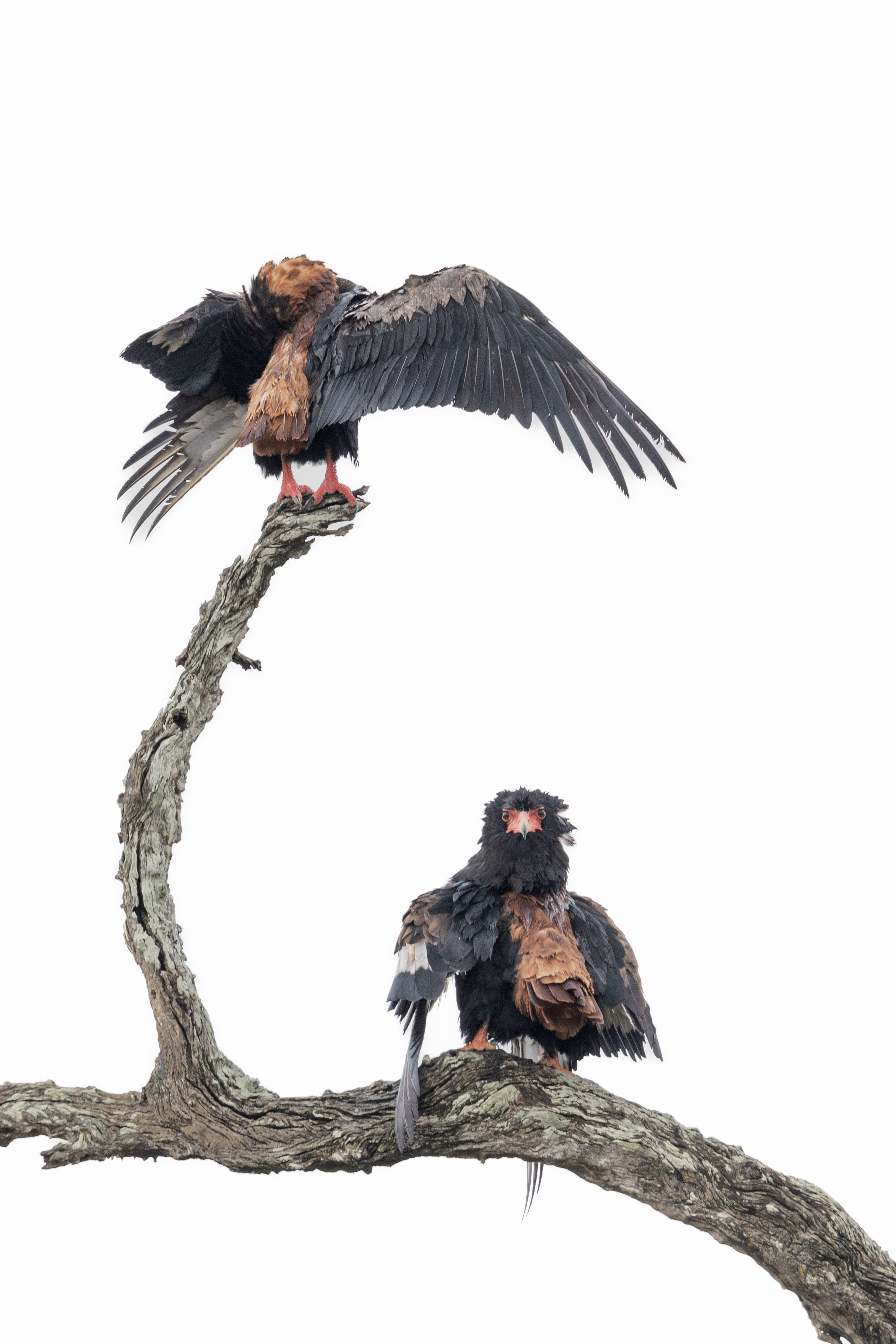
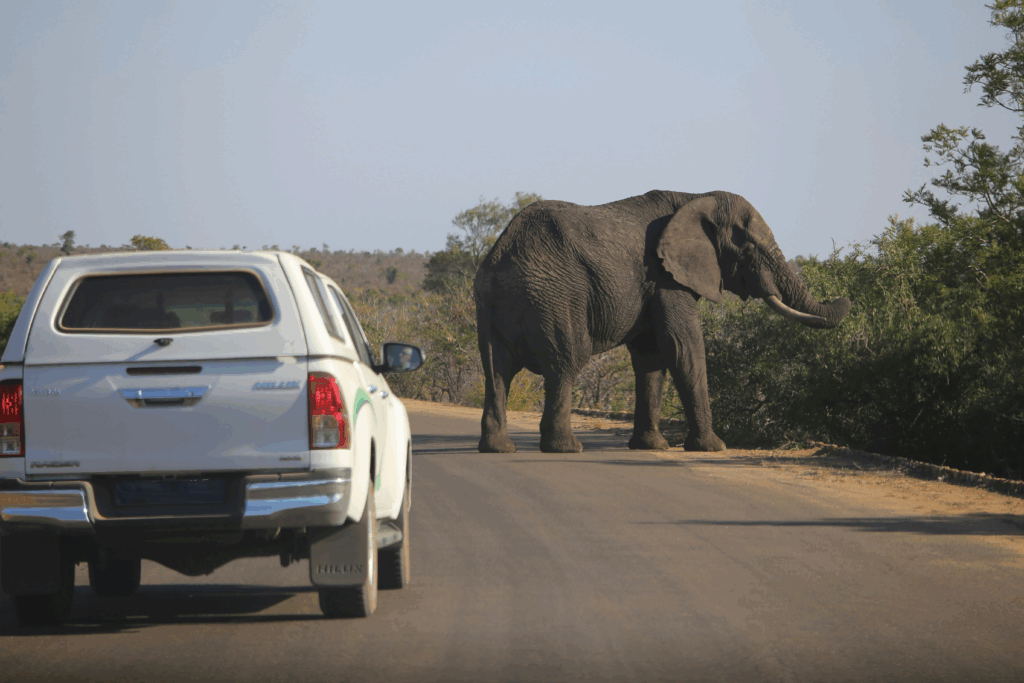
- Respect park rules: No off-road driving, always stick to the speed limits, and most importantly, give wildlife plenty of space. This isn’t just about respecting the animals that call Kruger home, it’s also about safety. Acting carelessly around big game like elephants can quickly turn dangerous, putting both you and the animal at risk. Take some time to read up on how to drive and behave around the wildlife.
- Fill fuel when you can – fuel stations are in main camps or nearby outside gates. Don’t risk running low.
- Night drives – these are only permitted with official rangers or guided tours. Self driving after dark is strictly prohibited. You must return to camp or exit the park by the posted gate closing times. These hours vary seasonally but generally fall between 05:30 and 18:00. Always double check the daily times online or on the camp notice boards, as they can change without notice. Keep in mind that heavy fines apply for anyone who fails to exit or ake it back to camp on time.
Why a Kruger Self Drive with Drive Africa
When you choose a self drive route, you get the freedom to pause, linger, backtrack, or follow a herd. You’re in control. Overlanding through Kruger allows you to experience the park intimately. Early dawn engine off stillness, wildlife at your pace, landscape changing as you move sectors.

But it’s not just about autonomy. It’s about pacing yourself, knowing the roads, being respectful in your approach, and combining budget flexibility with moments of luxury. Whether you sleep under canvas in rest camp sites, enjoy a chalet in Kruger, or add in a night in a high end lodge in Greater Kruger, that blend of freedom and comfort is what makes the experience memorable.
If you’re planning a Kruger overland expedition with Drive Africa, we take care of everything. Vehicle hire, accommodation, route planning, permits and a whole load more advice and information to make the most of your trip. Let’s create an itinerary tailored to your travel style, budget and interests, designed to make your African adventure truly your own.